Description
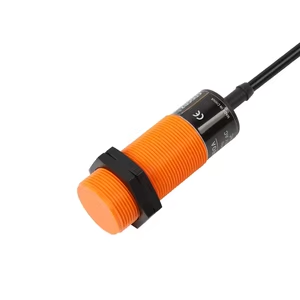
Looking for a reliable feed sensor? The SV2 electronic proximity sensor is the ideal industrial replacement for mechanical switches in poultry and pig feeding lines. Featuring IP67 protection, high-precision time-delay settings, and easy installation. Explore the full technical specifications today. 2 wires sensor
SV-2 Electronic Proximity Sensor: The Ultimate Solution for Livestock Feeding Lines
The SV-2 proximity sensor is the new industry standard for agricultural feeding systems. Designed to replace outdated mechanical micro-switches in hoppers, silos, and pan-feeders, the SV-2 ensures seamless, precise, and reliable operation without the need for complex electrical modifications.
Why Choose the SV-2 Feed Sensor?
-
Built for Harsh Environments: Rated IP67, the SV-2 is completely sealed, providing maximum protection against dust, humidity, and the demanding conditions of agricultural facilities.
-
Microprocessor Precision: An integrated microprocessor delivers unparalleled sensitivity and high-accuracy time-delay management.
-
Simplified Setup: Two onboard pushbuttons allow you to adjust the time delay (from 1 second up to 2 hours) in 10-second increments with ease.
-
Direct Replacement: Engineered to fit existing feeding line infrastructure, allowing for an effortless upgrade from mechanical switches to electronic reliability.
-
Real-time Status: Features dual-color LED indicators for instant visual feedback on the system’s operational status.
Technical Specifications
| Feature | Specification |
| Power Supply | 90V–240V AC |
| Frequency | 45–65 Hz |
| Protection Rating | IP67 (Dust and Water Resistant) |
| Time Delay | 0–2 hours (adjustable in 10s increments) |
| Activation Distance | 0–15 mm (material-dependent) |
| Operating Temp. | -20°C to +75°C |
| Storage Temp. | -30°C to +85°C |
| Relay Output | 5A ($cos phi = 1$) |
| Weight | 269 g |
Primary Applications
The SW-5 sensor is specifically engineered for poultry and pig farming feeding systems. By monitoring feed levels in storage tanks and feeding lines, the sensor provides automated control over motor start/stop cycles, ensuring:
-
Consistent Dosing: Uniform and simultaneous feed distribution.
-
Resource Efficiency: Reduced feed waste through precise level detection.
-
Complete Automation: Reliable, hands-off management of the feeding line, providing consistent access to feed for all animals.